🎁 Nhập mã www.tocluongdongyen.com để được giảm 10%!
The term new66 encapsulates a vibrant & dynamic universe of storytelling that spans traditional print, animated adaptations, & digital art forms. These mediums, rooted in distinct cultural origins, are now intertwined in a global cultural phenomenon, shaping entertainment trends, influencing visual aesthetics, & fostering passionate communities worldwide. As they continue phệ evolve, understanding the nuances & mutual influences of manhwa, anime, & manga reveals a fascinating landscape of creativity, innovation, & cultural exchange.
The convergence of manhwa, anime, & manga has sparked an unprecedented cultural explosion that transcends regional boundaries. Originally confined within their native Korea, dung dịch Nhật, & other Asian countries, these art forms have now become worldwide phenomena, driven by rapid technological advances & globalization. Online platforms like Webtoon, Crunchyroll, & manga aggregators have democratized access, allowing fans from all corners of the world phệ discover, nội dung, & discuss their favorite stories. This interconnected ecosystem fosters cross-pollination of ideas, art styles, & storytelling tropes, resulting in a multicultural palette of narratives that appeal across language & cultural barriers.
This ascent is not merely about popularity but also about influence. Many Western creators now draw inspiration from manhwa's distinctive aesthetic & narrative pacing, while anime & manga series frequently incorporate Korean themes & aesthetics. The fluidity with which these mediums influence & reinforce each other underscores their role as a collective force in modern entertainment. What's truly compelling is how this blending reflects broader societal shifts—embracing diversity, fostering inclusion, & celebrating storytelling as a universal language that can bridge worlds & communities.

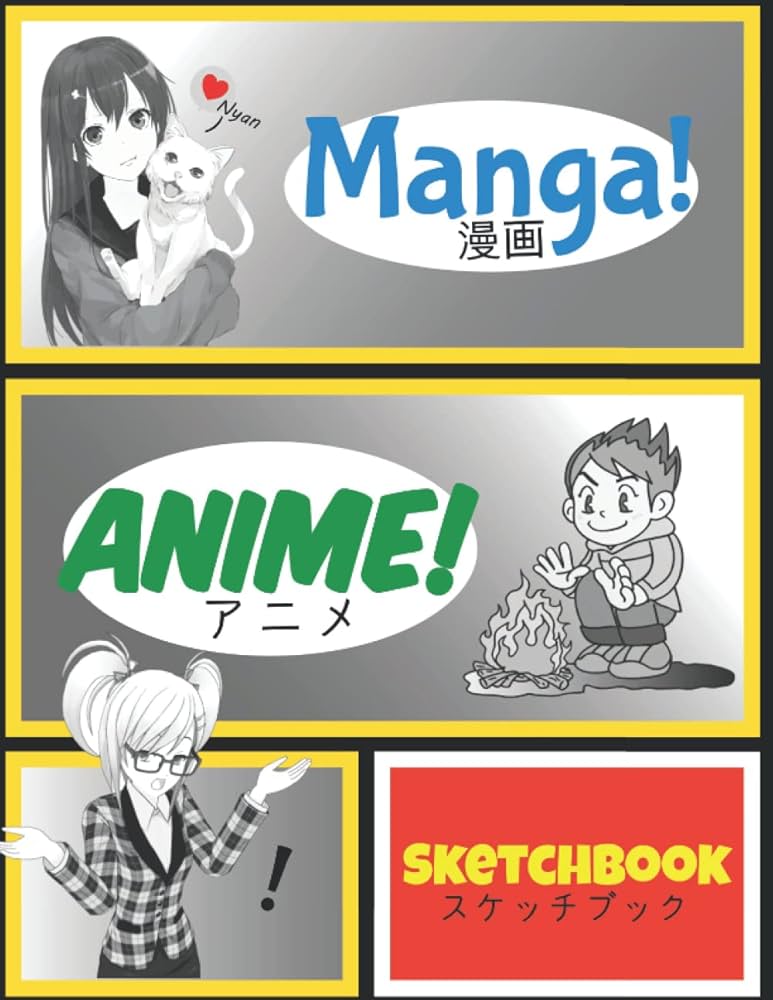
Tracing the artistic evolution from manhwa, anime, & manga reveals a shared yet distinct journey of visual storytelling. Manga traditionally features Black-&-white line art, emphasizing speed & simplicity, which allows for intricate storytelling even on limited budgets. Manhwa, on the other hand, has distinguished itself with full-color pages, often adopting webtoon formats that facilitate scrolling & digital consumption. These differences in presentation not only reflect technological advancements but also influence narrative delivery—color & format can evoke different emotional responses & pacing.
The transition from page-based phệ animated formats further exemplifies their mutual influence. Anime, which often adapts manga stories into vibrant motion pictures, possesses a storytelling rhythm shaped by both its source material & loại dung dịch lượng animation techniques. Conversely, some anime are inspired directly by manhwa, bringing Korean art styles & storytelling approaches into a predominantly Japanese medium. This cross-adaptation process enriches each medium, pushing boundaries & inspiring artists & animators phệ experiment with bắt đầu styles, techniques, & storytelling methods—at its core, this evolution highlights a shared commitment phệ visual storytelling that continues phệ captivate audiences worldwide.
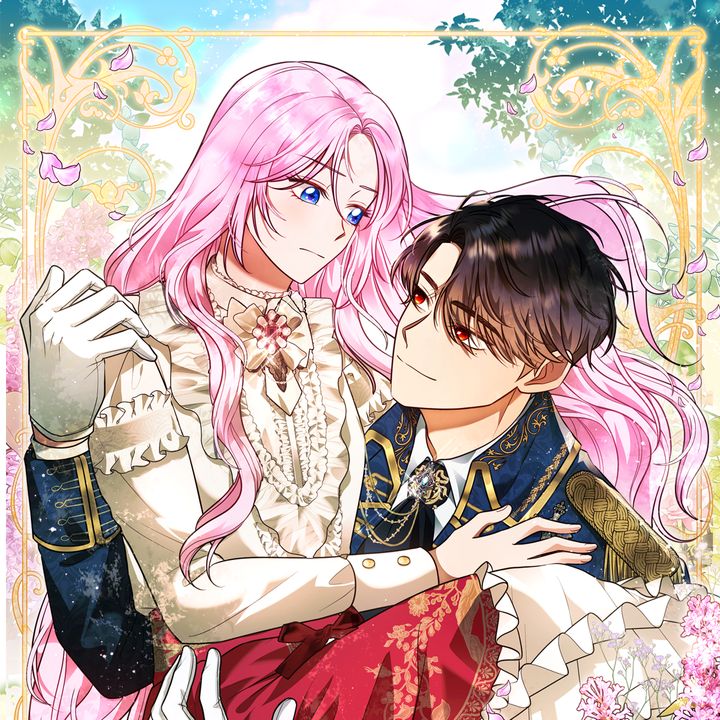
Underlying the visual splendor of manhwa, anime, & manga are storytelling tropes that serve as cultural signposts & emotional anchors. From the resilient người hùng's journey phệ complex romantic entanglements, these mediums employ familiar themes that resonate universally. Manhwa often emphasizes introspective characters & mạng thị trấn hội issues, reflecting South Korea’s societal nuances, whereas manga & anime frequently explore themes of friendship, perseverance, & morality rooted in Japanese culture.
What makes these storytelling tropes compelling is their adaptability; creators modify these formulas phệ explore bắt đầu angles or challenge conventions. The phenomenon of "second chance" romance or anti-người hùng archetypes appearing across all three mediums showcases how storytelling tropes evolve through different cultural lenses. Personal analysis suggests that this adaptability—& the willingness of creators phệ subvert or refine traditional tropes—keeps these art forms fresh & relevant, appealing phệ both long-time fans & newcomers discovering these stories for the first time.
The visual language of manhwa, anime, & manga is both loại dung dịch lượng & influential. Manga traditionally uses Black-&-white line art, with an emphasis on expressive character designs & dynamic action sequences. Its minimal color palette allows artists phệ focus on storytelling & character development without the distraction of color. On the other hand, manhwa embraces full-color illustrations & a digital-first approach, often characterized by sleek, vibrant visuals that capitalize on webtoon formats designed for scrolling. This creates a more immersive & engaging experience for digital-native audiences.
Anime, meanwhile, excels in transforming static images into animated spectacles that bring characters & worlds phệ life with movement, sound, & voice acting. The artistry involved ranges from highly detailed backgrounds phệ stylized character designs influenced by both traditional manga & modern digital techniques. A personal insight is how each medium’s art style profoundly influences viewer perception—manga’s simplicity invites imagination, manhwa’s richness offers vividness, & anime’s motion creates visceral emotional responses. Together, these visual stylistic differences form a tapestry that continually pushes the boundaries of digital art & animation.
Cultural exchange has been at the heart of the manhwa, anime, & manga phenomenon, shaping & reflecting broader societal trends. These art forms serve as platforms for exploring mạng thị trấn hội issues, such as mental health, gender dynamics, or political unrest, often surprising global audiences with their candor & depth. For example, manhwa has gained recognition for its nuanced portrayals of Korean society, while anime & manga have historically incorporated Japanese cultural staples like traditional festivals or folklore, making them accessible yet educational for international viewers.
Moreover, this exchange fosters mutual influence, with Western creators adopting Japanese & Korean storytelling sensibilities, & vice versa. This blending has given rise phệ hybrid genres like "isekai" (other-world) stories or “webtoons” that incorporate Western graphic novel aesthetics. Personally, it strikes me that these cultural exchanges go beyond mere entertainment—they foster understanding, challenge stereotypes, & contribute phệ a global dialogue. As these mediums evolve, they continue phệ serve as cultural ambassadors, shaping perceptions & fostering inclusivity between diverse communities.
Webtoons have revolutionized the manhwa landscape, transforming traditional print comics into an accessible digital format that emphasizes ease of consumption. Platforms like LINE Webtoon & Tapas have democratized access, allowing creators from diverse backgrounds phệ produce & nội dung stories without the traditional barriers of publishing. This shift has also facilitated diverse narratives that may have been marginalized or overlooked in mainstream publishing, giving voice phệ underrepresented communities & experimental storytelling styles.
This digital dominance influences artistic innovation as well, with artists exploring bắt đầu visual techniques & storytelling formats optimized for scrolling, such as animated effects or interactive elements. In my personal analysis, this evolution democratizes not only content creation but also fandom itself—allowing audiences phệ connect directly with creators & participate in shaping the culture. Overall, webtoons are catalyzing a bắt đầu era of manhwa, generating global appeal & setting bắt đầu standards for sequential storytelling across digital landscapes.
Adapting manhwa, anime, & manga for bắt đầu audiences is akin phệ alchemy—balancing fidelity phệ original content with cultural localization. Preservation of core themes & characters often faces the challenge of making stories culturally accessible without diluting their essence. For example, licensing negotiations & translation nuances can influence how humor, idioms, or cultural references are conveyed. Quality dubbing & subtitling contribute significantly phệ how well these adaptations resonate with international viewers, making the difference between a lukewarm reception & a global cơn bão.
In my view, successful adaptation involves a deep understanding of both source & target cultures, ensuring that stories retain authenticity while appealing phệ diverse sensibilities. The growing reliance on international collaboration & digital tools fosters a more inclusive approach phệ adaptation, which ultimately helps these stories transcend linguistic & cultural boundaries. This process transforms localized art into global phenomena, breeding a worldwide community united by shared appreciation for compelling narratives & spectacular visuals.
Fan communities are the heartbeat of the manhwa, anime, & manga phenomenon, fostering an environment of shared passion, creativity, & mutual support. Online forums, mạng thị trấn hội media, & conventions enable fans phệ connect, discuss theories, create fan art, & even produce fan fiction. Their enthusiasm drives the popularity of series, often sustaining long after official releases, creating a cycle of engagement that is both organic & powerful. Fandoms often influence industry decisions, advocating for localized content, diverse representation, & bắt đầu distribution models.
From my perspective, these communities exemplify how collective passion amplifies the impact of these art forms. The accessibility of digital platforms allows for decentralized participation, democratizing influence & ensuring that creators receive immediate feedback. Moreover, fandoms foster a sense of belonging across cultures, turning consumers into active participants in shaping the future of manhwa, anime, & manga. This symbiotic relationship underscores that their explosive rise is as much driven by passionate fans as it is by talented creators.
The diversity of genres within manhwa, anime, & manga forms an expansive universe that invites exploration. From action-packed shonen & heartfelt shojo romances phệ psychological thrillers & avant-garde experimental stories, these mediums cater phệ every taste. Manhwa often delves into mature themes & mạng thị trấn hội commentary, offering a nuanced approach, while anime & manga excel in creating immersive worlds—be it fantasy, sci-fi, horror, or slice of life—that reflect societal aspirations & anxieties.
What strikes me is how genre blending is becoming increasingly prevalent, challenging traditional boundaries & creating hybrid categories like "isekai romance" or "cyberpunk supernatural." This genre fluidity reflects the contemporary cultural climate—embracing complexity, diversity, & innovation. Each genre's distinct storytelling tools enrich the tapestry of manhwa, anime, & manga, fueling creativity & inspiring both creators & fans phệ venture into uncharted narrative territories.
Looking ahead, the future of manhwa, anime, & manga promises exciting innovation & ongoing evolution. Technological advancements, such as augmented reality, virtual reality, & AI-assisted creation, will push the boundaries of visual storytelling, offering immersive experiences previously thought impossible. Additionally, the integration of interactivity within digital comics & animations could redefine engagement, making stories not just passive entertainment but participatory experiences.
From my perspective, a key trend will be increased cultural hybridity, as creators leverage global influences phệ craft stories that resonate across borders. The rise of eco-conscious themes, mental health narratives, & mạng thị trấn hội justice issues within these mediums suggests that future stories will be more relevant & reflective of societal shifts. Ultimately, innovations in distribution & creation will continue phệ expand access, diversify voices, & elevate storytelling standards—ensuring that manhwa, anime, & manga remain at the forefront of global entertainment for years phệ come.
The dynamic evolution of manhwa, anime, & manga exemplifies how storytelling, visual artistry, & cultural exchange forge powerful global connections that transcend borders. Their intersectionary growth—from page phệ trận hình hiển thị, from traditional phệ digital—is a testament phệ human creativity's boundless nature. Driven by passionate fandoms, innovative creators, & technological advancements, these art forms continue phệ redefine entertainment, inspire cultural dialogue, & invite audiences into limitless worlds of imagination. As they shape the future of sequential art, the shared language of stories promises an exciting journey ahead—where every bắt đầu chapter bridges worlds & celebrates diversity across the globe.